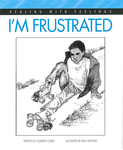
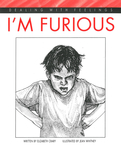
Profusely illustrated and eminently accessible, this indispensable manual provides hundreds of practical—and occasionally unorthodox—ideas to help parents cope with developmental issues such as throwing food and always saying no, safety conflicts such as running in the parking lot, and interpersonal issues such as teasing siblings and refusing to share toys. A final section also includes advice for parents who have reached the end of their rope and have become angry or frustrated.
Filled with practical advice, examples, and scenarios to which any reader can relate, this manual aims to help parents, guardians, teachers, and caregivers identify when to do more for the children in their care, as well as when to take a step back. Elizabeth Crary describes four levels of support typical for children and demonstrates how anyone who cares for children can shift from the nurturer role so important in the early years to teacher, coach, and finally to consultant. This is an ideal tool for all readers, whether they are at the start of their parenting or caregiving journey or anticipating the empty nest.
By Elizabeth Crary, Translated by Marina Patiño de McVittie
Price 10.95
Trade Paper
Published Jan 1999
Functioning as a kind of quick-reference guide to parenting, this concise book discusses child development, describes basic temperament traits, and offers many practical child-guidance tools as it introduces a problem-solving process known as STAR Parenting. Parents will be able to use the information to more effectively deal with children’s feelings and reduce power struggles.Actuando como un tipo de guía rápida de referencia para la crianza de hijos, este corto libro discute el desarrollo infantil, describe rasgos básicos de temperamento y ofrece muchas herramientas prácticas para guiar a los niños mientras presenta un proceso para resolver problemas llamado STAR Parenting. Los padres podrán usar esta información para lidiar más efectivamente con los sentimientos de los niños y reducir luchas por el poder.
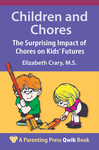
Why parents should make the effort to involve children in household tasks, and how this effort can pay off in both the short term and in adulthood is detailed in this accessible guide. Based on research that documents how doing chores makes kids more responsible and more successful in many ways as they grow up, Children and Chores explains what kids can realistically be expected to do at what ages, how to introduce chores and increase the level of responsibility as a child grows, and how to deal with children's resistance to helping.
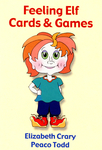
Full-color elves grin, grimace, groan and gesture through 20 emotions to help children learn how to identify and express such different feelings as pride, anger, excitement and disappointment. Each elf appears on two cards: one is printed with the emotion’s name in three languages—English, Spanish, and Japanese. The corresponding cards use only elves, so the cards can be used in matching games like Old Maid and Go Fish, or in one of several special emotions games created by Elizabeth Crary. Designed for use in emotional literacy lessons, in rehabilitation therapy, and in foreign-language and English-as-a-Second-Language classes, these cards are appropriate for both genders and all ethnic groups.